
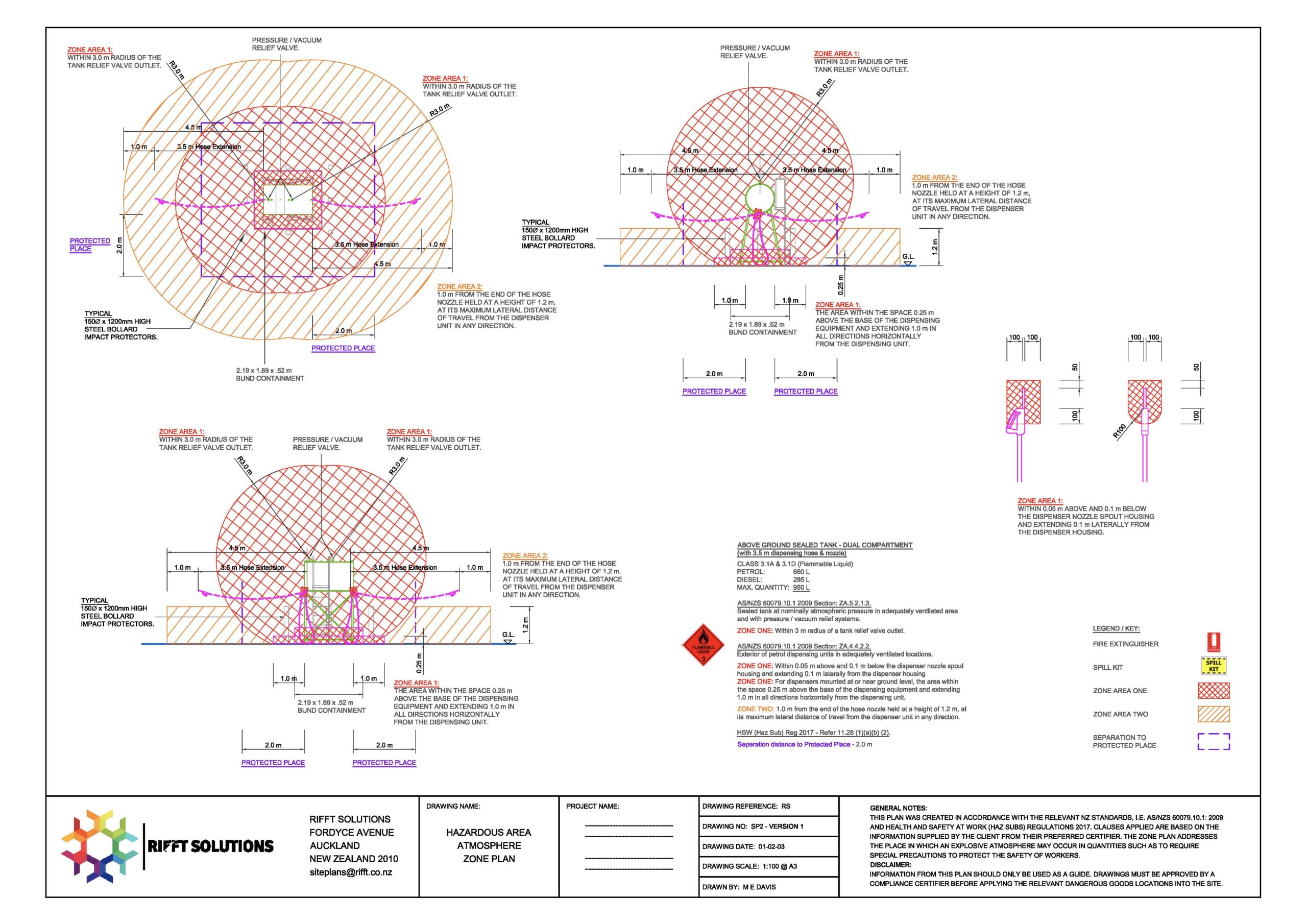
Hazardous Area Atmosphere Zone Plans
A hazardous area atmosphere zone plan is a site-specific drawing that shows where flammable gas or vapour may be present and where special precautions may
Here you’ll find the latest updates, in-depth articles, and real-world case studies on safety, why protection matters, and industry best practices.
Stay informed or get inspired with expert insights, innovative solutions, and success stories designed to bolster confidence and keep your team safe.
A hazardous area atmosphere zone plan is a site-specific drawing that shows where flammable gas or vapour may be present and where special precautions may
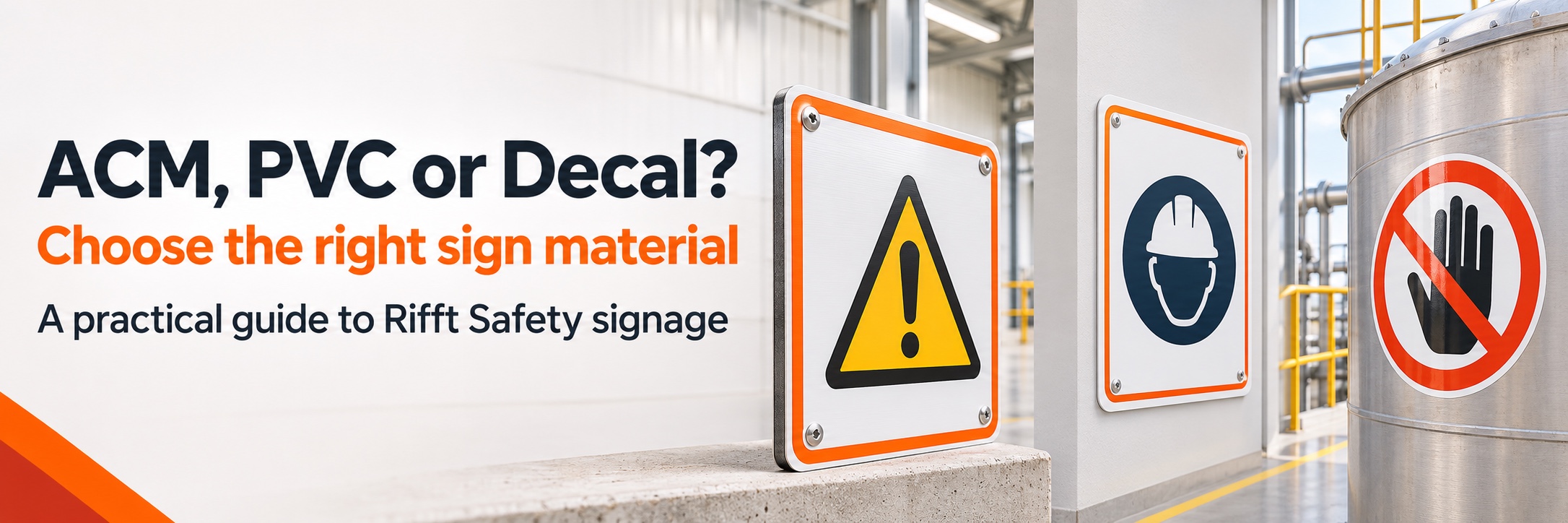
Compare ACM, PVC and decal signage from Rifft Safety. Learn which material suits outdoor Hazchem signs, indoor spill-kit signs and tank labels.

WorkSafe’s Hazardous Substances Calculator helps New Zealand workplaces create a hazardous substances inventory and identify many of the key controls that may apply. Before you
Find the right sharps-disposal route in New Zealand, with pharmacy and needle-exchange finders, a call-ahead checklist, and safe container guidance.
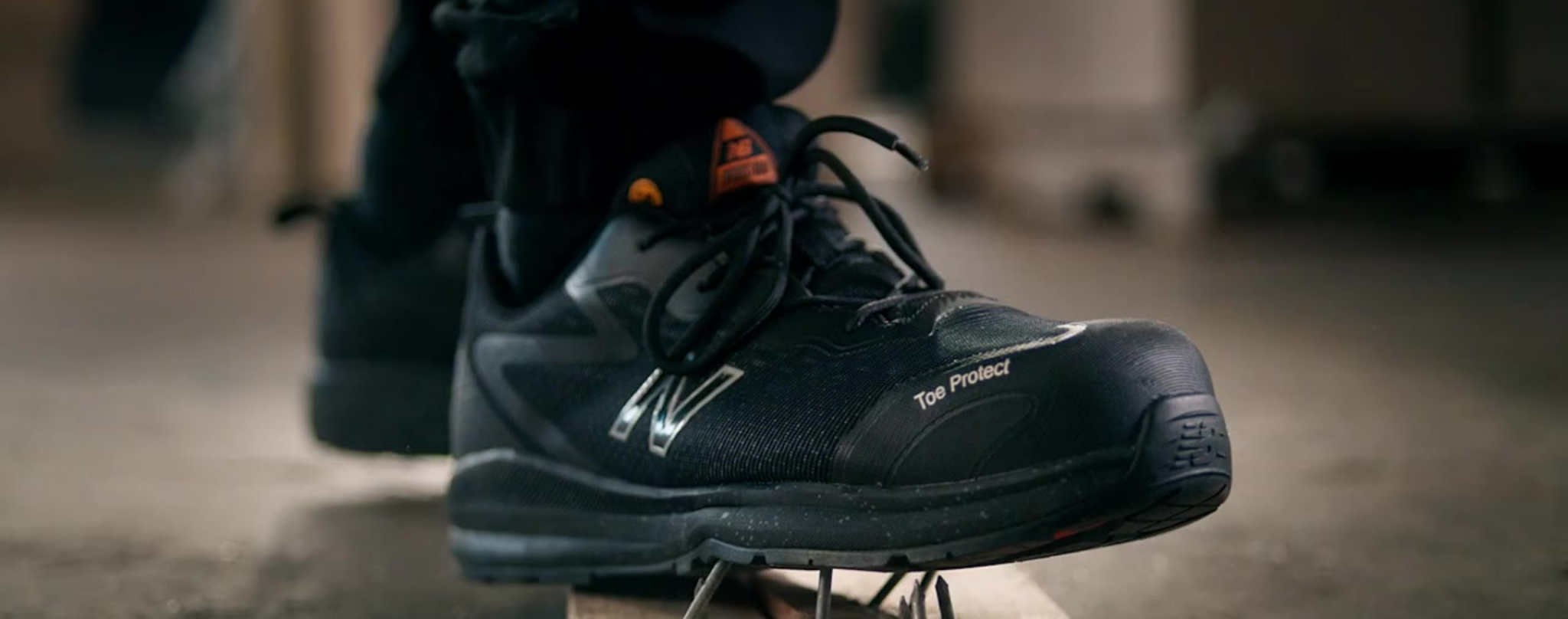
Which New Balance safety shoes should you choose in New Zealand? Start with Logic for flexible, runner-style comfort; compare Speedware for work across indoor and
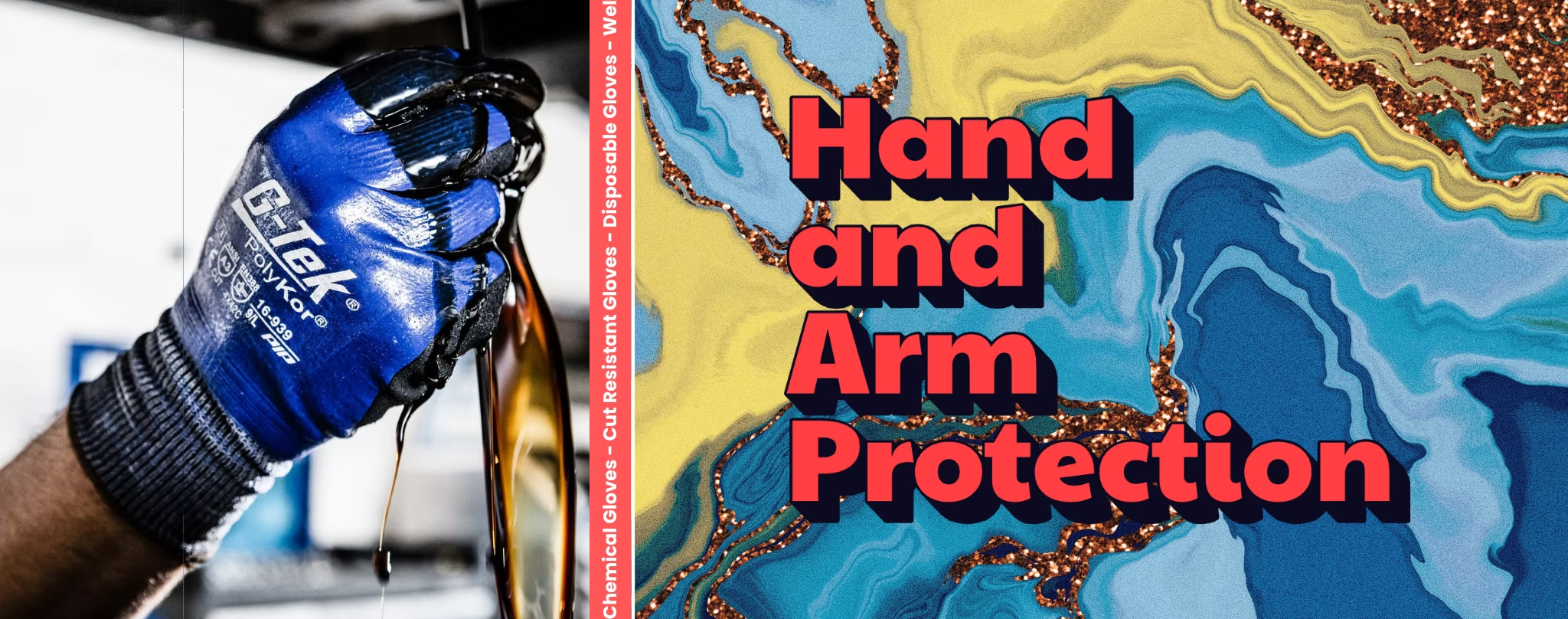
Short answer: choose hand protection by the main hazard, not by the glove material alone. Identify whether the task involves cuts, punctures, chemicals, abrasion, heat,

In today’s fast-evolving industrial and healthcare landscapes, respiratory protection has become more critical than ever. The increasing prevalence of airborne contaminants—ranging from dust, fumes, and

What are Temporary Anchor Points? Temporary anchor points are essential to any fall protection system. Designed for areas without permanent safety infrastructure, they provide a

Summer is here, bringing sunshine and outdoor fun, but it also comes with hidden hazards like sunburns and grill burns. Discover essential tips on how to protect yourself from painful burns and treat them effectively if they occur—read on to learn how to stay safe and enjoy the sunny days ahead!

Summer is here! or still on its way? we’re not 100% sure either. Regardless, with warmer days on the horizon, staying hydrated on the job is more

Welcome back to miniseries part 3 of PPE talks. Today we look briefly at head and face protection. The previous articles can be found here

Alright – welcome back everyone. With school holidays in full swing, keep safe and stay hydrated on the road. In the previous post we mention

Welcome back. We hope you enjoyed the previous post where we briefly mentioned what about hazardous substances are and why signage and labels are important.

This article will kickstart a few topics related to hazardous substance. In this first part of the series, we aim to cover the basics of

Welcome back to part 2 of the importance of safety showers and eye/face wash system where we will summarize the role of thermostatic mixing vales

Businesses utilizing hazardous substance in a facility have responsibilities in managing work-related risks which may lead to serious injury, illness or even death as per

Since Rifft Safety’s inception 12 months ago, we have quickly carved out a reputation for excellence by always pushing to provide value-added, tangible, and more

Reprinted with permission from our supplier PH7 When it comes to respiratory protection, most people think of dust masks or half and full face masks

Despite what your inner child might be thinking right now, “booms” in this context, are temporary barriers meant to contain and control chemical spills, especially

When it comes to workplace safety in New Zealand, nothing is more crucial than adhering to the Health and Safety at Work Act 2015 and

Before the Hazardous Substances Regulations 2017 came into effect, businesses were required to have workers trained in handling dangerous goods on site. These workers, known

As an expert in safety protocols, I’ve learned that respiratory protection isn’t a one-size-fits-all solution. It’s crucial to understand the specific risks you’re up against

In New Zealand, the handling, storage, and management of hazardous substances are governed by a comprehensive regulatory framework designed to protect both people and the
Since Rifft Safety’s inception 12 months ago, we have quickly carved out a reputation for excellence by always pushing to provide value-added, tangible, and more
A hazardous area atmosphere zone plan is a site-specific drawing that shows where flammable gas or vapour may be present and where special precautions may
WorkSafe’s Hazardous Substances Calculator helps New Zealand workplaces create a hazardous substances inventory and identify many of the key controls that may apply. Before you
This article will kickstart a few topics related to hazardous substance. In this first part of the series, we aim to cover the basics of
Before the Hazardous Substances Regulations 2017 came into effect, businesses were required to have workers trained in handling dangerous goods on site. These workers, known
In New Zealand, the handling, storage, and management of hazardous substances are governed by a comprehensive regulatory framework designed to protect both people and the
Find the right sharps-disposal route in New Zealand, with pharmacy and needle-exchange finders, a call-ahead checklist, and safe container guidance.
Which New Balance safety shoes should you choose in New Zealand? Start with Logic for flexible, runner-style comfort; compare Speedware for work across indoor and
Short answer: choose hand protection by the main hazard, not by the glove material alone. Identify whether the task involves cuts, punctures, chemicals, abrasion, heat,
In today’s fast-evolving industrial and healthcare landscapes, respiratory protection has become more critical than ever. The increasing prevalence of airborne contaminants—ranging from dust, fumes, and
What are Temporary Anchor Points? Temporary anchor points are essential to any fall protection system. Designed for areas without permanent safety infrastructure, they provide a
Summer is here, bringing sunshine and outdoor fun, but it also comes with hidden hazards like sunburns and grill burns. Discover essential tips on how to protect yourself from painful burns and treat them effectively if they occur—read on to learn how to stay safe and enjoy the sunny days ahead!
Summer is here! or still on its way? we’re not 100% sure either. Regardless, with warmer days on the horizon, staying hydrated on the job is more
Welcome back to miniseries part 3 of PPE talks. Today we look briefly at head and face protection. The previous articles can be found here
Alright – welcome back everyone. With school holidays in full swing, keep safe and stay hydrated on the road. In the previous post we mention
Welcome back. We hope you enjoyed the previous post where we briefly mentioned what about hazardous substances are and why signage and labels are important.
Welcome back to part 2 of the importance of safety showers and eye/face wash system where we will summarize the role of thermostatic mixing vales
Businesses utilizing hazardous substance in a facility have responsibilities in managing work-related risks which may lead to serious injury, illness or even death as per
When it comes to workplace safety in New Zealand, nothing is more crucial than adhering to the Health and Safety at Work Act 2015 and
Compare ACM, PVC and decal signage from Rifft Safety. Learn which material suits outdoor Hazchem signs, indoor spill-kit signs and tank labels.
What are Temporary Anchor Points? Temporary anchor points are essential to any fall protection system. Designed for areas without permanent safety infrastructure, they provide a
Reprinted with permission from our supplier PH7 When it comes to respiratory protection, most people think of dust masks or half and full face masks
Despite what your inner child might be thinking right now, “booms” in this context, are temporary barriers meant to contain and control chemical spills, especially
As an expert in safety protocols, I’ve learned that respiratory protection isn’t a one-size-fits-all solution. It’s crucial to understand the specific risks you’re up against
Be the first to hear about the latest products and industry insight